



- » Archive Access Policy
- » FOSTER (Food Student Conference) 2025
- » Keynote Speaker
- » Editorial Board
- » Reviewer
- » Organizing Commitee
Archive Access Policy
The presentations that make up the current and archived conferences on this site have been made open access and are freely available for viewing, for the benefit of authors and interested readers.
FOSTER (Food Student Conference) 2025
“Food (R)evolution: Technology for Sustainable Future” A. Background Environmental pollution almost occurs in every area, especially in urban areas. According to Pink (2016), Indonesia is the world’s fourth most populated country. It is a diverse country that stretches over 17,504 islands. The water access and sanitation situation is generally improving yet inadequate in many areas. In developing countries such as Indonesia, global consciousness about environmental protection is an important step forward and one that is slowly taking hold. In general, the quality of water in the country is in distress, which dramatically affects health and development for the current generation and future generations, unless substantial and sustained action is taken. Pollution of rivers, air, and land requires an environmental management and preservation program to be continuously implemented due to its emerging issue when accumulated in the food chain. Harmful contaminants can accumulate in soil, water, and the food chain, ultimately entering the human body through the consumption of polluted crops, seafood, and animal products. Thus, it is necessary to ensure the consumer’s safety and environmental safety, where there needs to be a food technology approach in gaining a sustainable environment. A food (r)evolution represents both a sudden transformation and a gradual, steady shift in the way food is produced, processed, and consumed. The term "(r)evolution" signifies the intersection of rapid technological breakthroughs and the continuous, long-term evolution necessary for sustainability. This shift is essential as global food systems face mounting challenges, including resource depletion, climate change, and increasing population demands. Production of food often contributes to environmental degradation, leading to issues such as soil erosion, excessive water usage, and greenhouse gas emissions. Additionally, inefficient supply chains and food waste exacerbate food insecurity. To address these pressing concerns, the integration of technology into food systems from farm to table, emerges as a key solution, fostering innovation that enhances productivity while reducing negative environmental impacts. Emerging technologies such as precision agriculture, biotechnology, and artificial intelligence (AI) offer innovative solutions to improve crop yields, reduce waste, and create alternative food sources. By leveraging these advancements, food systems can become more sustainable, ensuring environmental preservation and global food security. A sustainable future envisions a food system that meets current nutritional needs without compromising the ability of future generations to do the same. This includes promoting circular economy principles, minimizing waste, and ensuring ethical production practices. Furthermore, increasing consumer awareness and engagement in sustainable food choices can drive demand for eco-friendly innovations. Leveraging technology to enhance food production at scale, while integrating advanced biotechnology and improved food safety measures, will be pivotal in ensuring global food security. By integrating food and technology with sustainability at its core, the food (r)evolution has the potential to reshape global food systems, fostering a healthier planet and a more resilient society. B. Objective To encourage in developing innovative food solutions that align with trends in food science and technology by thinking critically and creatively. To promote the exploration of cutting-edge technologies that can drive the future of sustainable food systems and practices. To provide a platform for the exchange of ideas and collaborative efforts among students, professionals, and academics. To enhance the academic community's contribution to society by fostering solutions that address real-world food challenges. Focus and Scope The conference's main theme is “Food (R)evolution: Technology for Sustainable Future.” The conference sub-themes are, but not restricted to: A. “Innovating Food and Nutrition for Well-Being and Healthier Lifestyle" - Example: Reformulating traditional snacks with natural sweeteners, fortifying staple foods with essential nutrients, developing plant-based protein alternatives.
- Developing functional foods, personalized nutrition, and healthier alternatives to support well-being while maintaining taste and cultural relevance.
B. "Revolutionizing Food Production Through Advanced Biotechnology"
- Examining the role of biotechnology in sustainable food production, including genetically modified organisms (GMOs), cellular agriculture, and microbiome applications.
- Example: Genetically modified drought-resistant crops, lab-grown meat, and precision fermentation for dairy alternatives.
C. "Transforming Food Processing for a Sustainable Future"
- Investigating modern food processing techniques that optimize resource efficiency, reduce food waste, and enhance sustainability.
- Example: Upcycling food byproducts, energy-efficient food dehydration, and eco-friendly packaging innovations.
D. “Food safety and integrity throughout supply chain”
- Ensuring food quality, safety, and traceability using advanced monitoring and detection technologies.
- Example: Short supply chains, nanosensors for contamination detection, and AI-driven food safety inspections.
E. "Sustainable Business Models for Eco-Friendly Food Production"
- Implementing circular economy models, ethical sourcing, and CSR initiatives to create profitable yet sustainable food systems.
- Example: Green economics, upcycling food waste, zero-waste restaurant models, and carbon credit incentives for sustainable farming.
F. "Leveraging Technology to Enhance Food Production"
- Applying AI, robotics, and digital platforms to improve food production efficiency, accessibility, and sustainability.
- Example: AI-powered precision farming, robotic food processing, and digital marketplaces connecting farmers with consumers
Keynote Speaker
Keynote Speakers
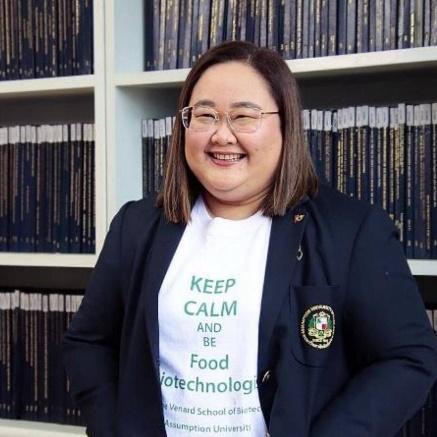
Name: Patchanee Yasurin, Tik, Ph.D
Dean Theophane Venard School of Biotechnology Assumption University
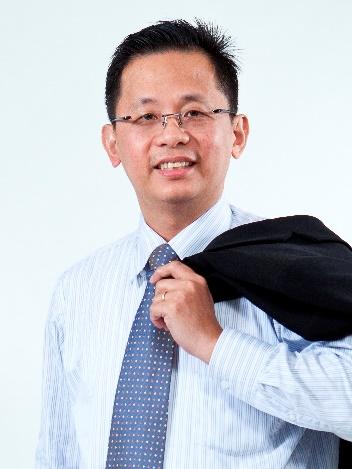
Name: Djoni Wesida, S.Si., M.Sc
Director of PT. Pangan Prima Lestari Indonesia

Name: Dr. Novita Ika Putri, MS.
Lecturer of Food Technology Department Soegijapranata Catholic University
Editorial Board
Editorial Board
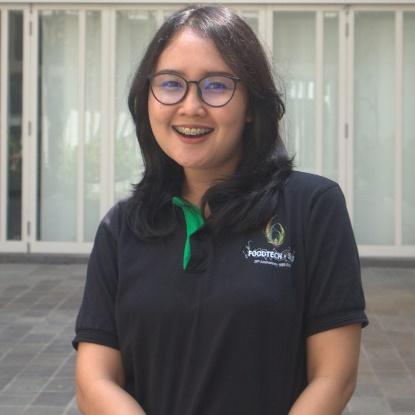
Name: Mellia Harumi, S.Si., M.Sc
Name: Dr. Novita Ika Putri, MS
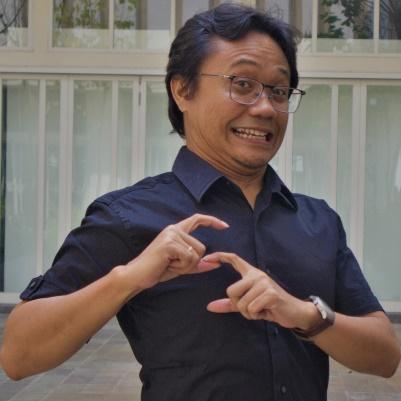
Name: Dr. R. Probo Y. Nugrahedi, S.TP., M.Sc.

Name: Dr. Ir. Lindayani, MP.
Reviewer
Reviewer
Name: Mellia Harumi, S.Si., M.Sc
Name: Dr. Novita Ika Putri, MS
Name: Dr. R. Probo Y. Nugrahedi, S.TP., M.Sc.
Name: Dr. Ir. Lindayani, MP.
Organizing Commitee
ORGANIZING COMMITTEE
- Pelindung:
Dr. Ir. Lindayani MP.
Wakil Dekan III Fakultas Teknologi Pertanian
Universitas Katolik Soegijapranata Semarang - Steering Committee:
- Ketua: Mellia Harumi, S. Si., M. Sc.
- Anggota:
- Dr. R. Probo Y. Nugrahedi, S.TP., M.Sc.
- Dr. Novita Ika Putri, MS.
- Dr. Ir. Lindayani, MP.
- Penanggung Jawab:
Michael Natanael Setiawan (22.I1.0018)
Wakil Ketua Badan Eksekutif Mahasiswa
Fakultas Teknologi Pertanian
Soegijapranata Catholic University Semarang - Evaluasi Program: Priskila Meisa Soleman (22.I1.0105)
- Advisor: Iona Mayraputri (22.I1.0101)
- Ketua Panitia: Fanesha Defi Fransiska Siahaan (22.I1.0097)
- Asisten Ketua: Laurensia Nidya Wijayanti (24.I1.0103)
- Sekretaris:
- Kayla Shafira (24.I1.0097)
- Angela Christy Sri Maharani (23.I1.0025)
- Bendahara: Skolastika Stella Koronkaningtyas (24.I1.0039)
- Seksi Acara:
- Nicole Joen Lee (24.I1.0064)
- Livya Karina Erbel (23.I1.0014)
- Vanessa Joyfully Mardeko (24.I1.0025)
- Liem, Kezia Preissilia (24.I4.0008)
- Seksi Materi:
- Nikita Liora Elena Cipto (23.I5.0002)
- Cellina Michelle (22.I1.0072)
- Marcella Natalie Wibowo (22.I4.0001)
- Darnell Christopher Ong (23.I1.0009)
- Seksi Dana Usaha:
- Lucia Nadia Permata Devi (24.I1.0011)
- Annamaria Nadia Octavia (22.I1.0010)
- Jovita Intan Putri Agustin (22.I1.0063)
- Sevilla Grace Christian, Tjoa (24.I1.0049)
- Seksi Hubungan Masyarakat:
- Anastasia Arum Dani (23.I2.0023)
- Muhammad Rizky Fikri Putra R (22.I1.0099)
- Wanda Meilasthe (23.I2.0026)
- Seksi Liaison Officer:
- Maylovi Tiffany Putri (24.I2.0015)
- Clarensa Tania Dewi (23.I2.0007)
- Graciela Via Widodo (24.I1.0070)
- Seksi Desain dan Dokumentasi:
- Devvinta Avrillia Putri Widya (23.I2.0014)
- Josephine Christabel Ekasaputra (23.I1.0005)
- Heavenly Blessianna Danisaputri (23.I4.0006)
- Florentina Indra Natasya (24.I1.0117)
- Seksi Perlengkapan:
- Oei Frederic Valerian Henanto (24.I5.0001)
- William Winner Hotama (22.I1.0007)
- Nectarios Sujanto (22.I2.0001)
- Tjoa, Aaron Imanuel Saputro (23.I2.0008)
- Raymond Adidaya Santoso (24.I1.0024)
- Seksi Sponsorship:
- Jenyffer Aileen Putri Indriati (23.I4.0005)
- Anneta Rosalia Sarwono (22.I1.0009)
- Yuni Lastiani (22.I1.0021)
- Jenitha Putri Angelica (24.I1.0077)